







Search Results for: espresso coffee bean prices
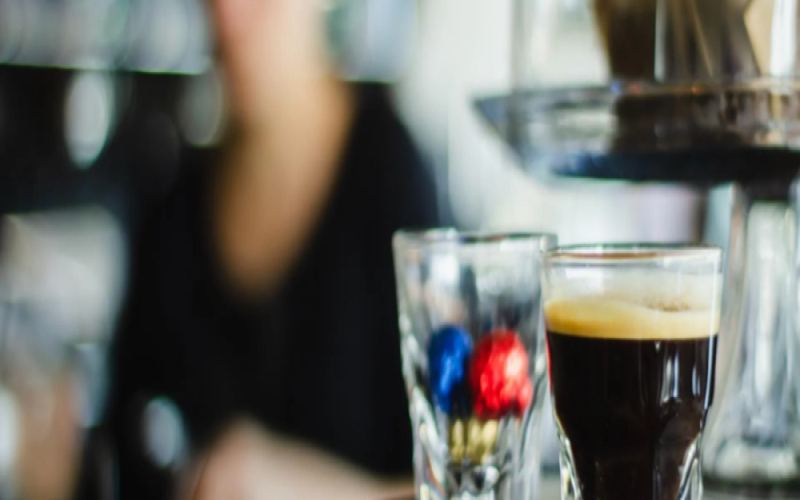
Italian Espresso Pricing Controversy: Decaf Sold at 2 Euros Leads to a 7,000 Yuan Fine, Champion Barista Speaks Out
Italian espresso is regarded as a national cultural symbol and has long maintained a low price of around 1 euro. After the pandemic, costs rose, and some cafés raised the price to 1.5 euros, which sparked consumer dissatisfaction. Recently, a three-time coffee competition champion was fined 1,000 euros (about 7,109 yuan) because a decaf espresso was priced at 2 euros and the price was not listed on the physical menu. He posted a question: why do Italians accept a 2-euro newspaper, yet feel that a 1.2-euro espresso is not worth it? When the specialty coffee wave meets the traditional low-price culture, the pricing dilemma of Italian espresso is worth pondering. Front Street Coffee continues to follow global coffee industry trends and brings you in-depth reporting. [more…]
Global coffee bean prices hit a record high, and Italy's espresso culture faces the test of price increases
Global coffee bean prices continue to climb, with New York Arabica futures and London Robusta futures both hitting record highs, and Italy—this stronghold of espresso culture—is facing unprecedented pressure to raise prices. Since 2021, the price of espresso in Italy has risen by about 15%, with multiple factors such as climate change, energy costs, and Red Sea shipping disruptions intertwining, potentially pushing a cup of coffee that once cost 1.2 euros to 2 euros. Consumer associations and industry federations each hold their own views, and small family-run cafes are struggling to survive between profit margins and social pressure. This article will take you through the ins and outs of this coffee price storm and how it affects Italians' daily ritual. [more…]

Why Is Geisha in Espresso Gradually Becoming a Trend? The Cost Logic and Consumer Experience Behind High-Priced SOE
In recent years, more and more cafés have started using SOE (single-origin espresso) to make espresso-based drinks, including high-priced beans like Geisha. Some consumers were shocked by menu prices while traveling in Tianjin, and some netizens complained about a dine-in experience of just over 200 milliliters for 38 yuan. Is a Geisha Americano reasonable? Behind high-priced SOE is a comprehensive consideration of bean costs, extraction difficulty, and customer base matching. Starting from real consumer feedback, this article analyzes the pricing logic, flavor performance, and market status of Geisha espresso, and reminds enthusiasts: finding the coffee that suits you is most important. Front Street Coffee will also provide related product references in this article. [more…]
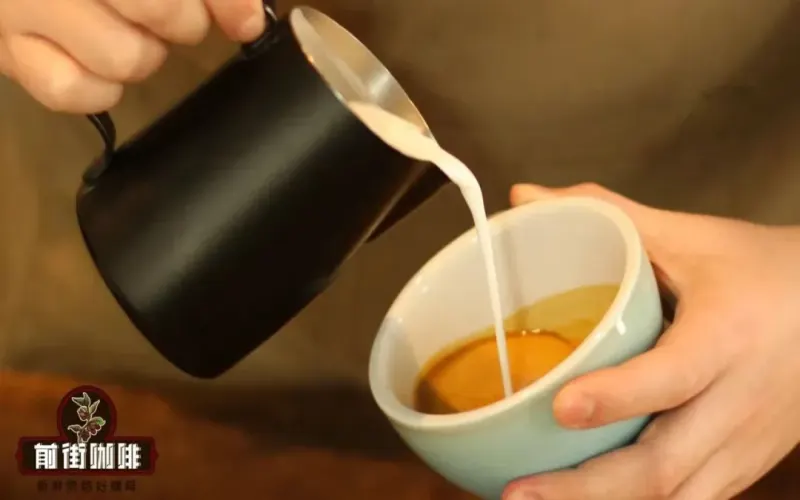
A Guide to Choosing Commercial Espresso Beans: Italian-Style Blend House Beans Recommendations and Bagged Price Comparison Analysis
For opening a coffee shop or drinking espresso daily, choosing the right beans directly affects consistency in the cup and cost control. This article focuses on commercial espresso blend coffee beans, first explaining the basic logic of blending and common misconceptions, then introducing one by one the flavor positioning and suitable scenarios of five espresso-specific blend beans under Front Street Coffee, with a key analysis of the origin composition and flavor performance of Front Street commercial blends. It also explains the roasting degree requirements for pressurized extraction in espresso machines, as well as how beginners and shops with a single grinder should choose. Finally, it offers a way to compare prices of bagged espresso blends, helping coffee enthusiasts and industry professionals find daily beans that taste good, are consistent, and are not expensive. [more…]

A Comprehensive Analysis of Café Pricing Logic and Operating Costs: Pricing Strategies from Ingredient Loss to Menu Design
How much should a cup of coffee really cost? Why are prices at independent cafés generally higher than those at chain brands? This article systematically sorts out the inner logic of coffee pricing from three dimensions: café positioning, menu design, and raw material cost control. It breaks down in detail the method for calculating the original price ratio, analyzes the cost ranges of espresso beans and milk, and uses a double shot as an example to estimate the raw material cost per cup. At the same time, it offers café operators practical advice on menu planning and material procurement, helping readers understand the real considerations behind independent cafés' pricing. [more…]
Espresso Blend Recipes and Brand Analysis: A Flavor and Price Guide to Front Street Coffee's Three Espresso Beans
The recipe design of espresso blend coffee beans directly determines the flavor direction and crema performance of espresso. This article focuses on three representative espresso blends from Front Street Coffee (FrontStreet Coffee), analyzing the bean composition, roast level, flavor characteristics, and suitable scenarios of the specialty blend, commercial blend, and dark cocoa blend respectively, and explaining the role of Robusta beans in blending. It also introduces the roasting background of the Front Street brand in Guangzhou, as well as the price advantage of the commercial blend at approximately 60 yuan for a 454-gram package, which works out to less than 1.5 yuan per cup based on 10 grams of grounds per cup, providing a highly cost-effective option for cafe owners and home users. [more…]
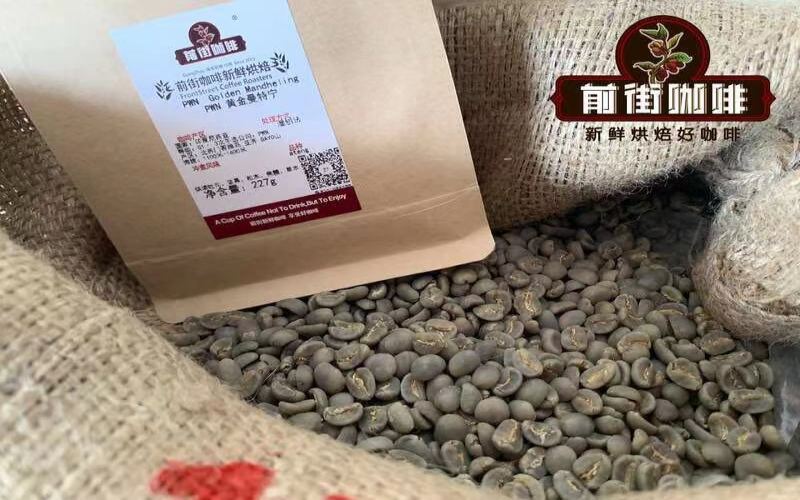
How to Distinguish SOE from Pour-Over Single-Origin and Espresso Blend Coffee Beans: Price Ranges and Key Buying Tips Explained
Many friends who are new to coffee discover when shopping online that coffee beans range in price from just over thirty yuan to more than three hundred yuan, with packaging sizes from 100 grams to 1 kilogram, and the listings are full of all kinds of technical jargon. This article is organized around the two main categories—espresso beans and single-origin beans—explaining how single-origin beans express flavor by region along with common packaging sizes, introducing the difference between SOE and espresso blends, the pricing and consistency considerations behind blending, and offering buying guidance based on Front Street Coffee's specific bean offerings, to help coffee lovers find the right beans for their needs. [more…]
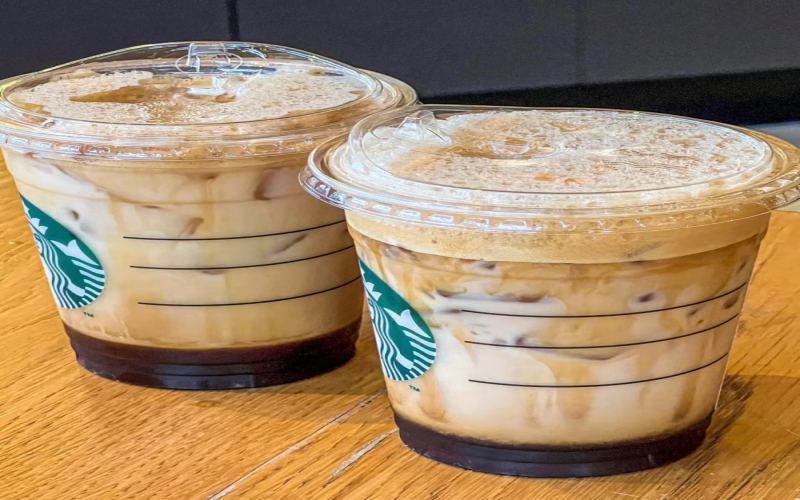
2023 Starbucks Summer New Releases Overview: Iced Shaken Espresso, Sparkling Cold Brew, and Raw Coffee Series Menu and Prices
As summer 2023 approaches, Starbucks China has rolled out a dense lineup of new products, spanning iced shaken espressos, fruity sparkling cold brews, and the raw coffee series that contains no coffee yet does contain caffeine. This article provides a complete rundown of these new items' prices, sizes, and flavor characteristics, while also compiling the menus and pricing from medium to large for classic series such as handcrafted espresso, Frappuccino, Teavana, and cold brew, making it easy for coffee lovers to look things up quickly. For readers who prefer brewing at home, they can also refer to Front Street Coffee's bean recommendations to recreate similar flavors themselves. [more…]

The Logic Behind Coffee Pricing: What Is the Cost of a Cup? Store Menu Pricing Formulas and Cost Control Strategies
Many consumers have noticed that coffee shop menu prices are becoming increasingly baffling. An Americano easily costs 30 yuan, and a specialty drink can easily exceed 40 yuan, leaving people feeling "stung" when they pay the bill. So, what exactly makes up the cost of a cup of coffee? And how should independent cafés scientifically price their products? This article examines store positioning, menu design, raw material costs, and original price ratio calculations to sort out the basic logic of coffee shop pricing, and provides reference cost ranges for espresso beans and milk, helping coffee lovers and industry professionals better understand the economics behind a cup of coffee. [more…]
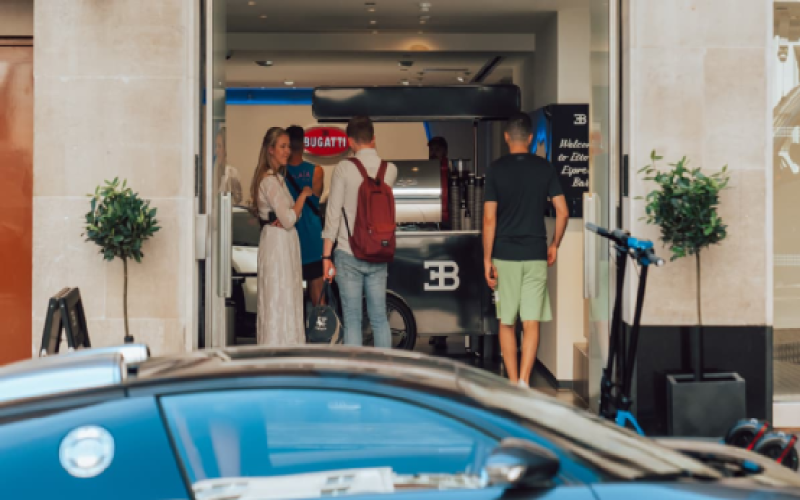
Is a £50 espresso worth it? Inside the VIP experience at London's Bugatti showroom
In the eyes of coffee lovers, a reasonable price for an espresso is usually around 15 to 25 RMB. However, at a Bugatti dealership in Mayfair, London, an espresso is priced at 50 pounds, equivalent to over 400 RMB, making every sip feel like drinking gold. What exactly makes this coffee, called "THE ETTORE SHOT," so expensive? It is served in a custom carbon fiber cup, rich in aroma, but the real special thing is that it is actually a ticket to enter this top-tier sports car showroom and lounge, with a dedicated person to explain the history of the Bugatti brand. Compared to the café in Italy that was fined a thousand yuan for a 2-euro espresso, the logic behind the price is intriguing. If given 400 yuan, would you choose Front Street Coffee's Panama Geisha or a Bugatti showroom ticket? [more…]
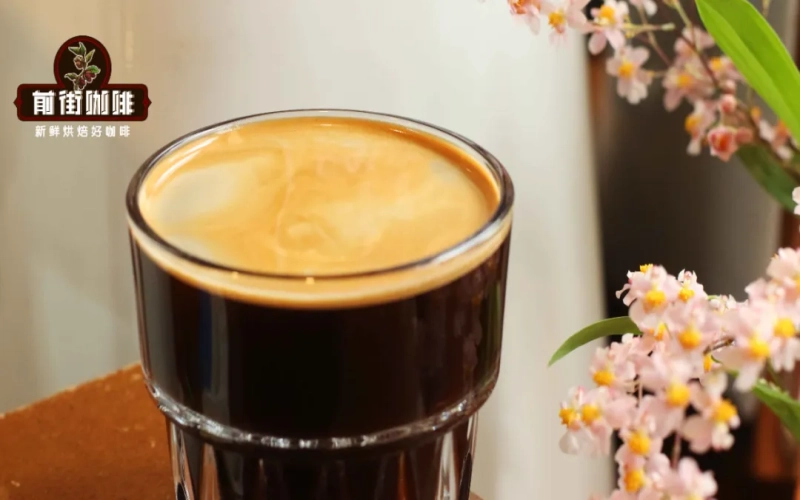
Is Americano Really Black Coffee? Explaining the Differences Between Espresso Diluted with Water and Drip Brewing, and the Reasons Behind the Price Gap
Americano is almost ubiquitous in daily life, but is it actually black coffee? Why is it that even though it's called the same "Americano," the price can range from a few yuan to dozens of yuan, and it can even come with free refills? This article starts with defining the concept, sorting out the multiple meanings of Americano in different contexts, comparing the differences between the two mainstream methods—diluting espresso with water versus brewing with a drip machine—in terms of flavor, consistency, and cost, and, using specific coffee beans such as Front Street Coffee Strawberry Candy espresso and Queen's Estate SOE, explains how the ingredients and extraction method determine the final performance of a cup of Americano. Finally, it explains the fundamental differences in positioning and ingredients among independent shops, chain brands, and free-refill Americanos. [more…]
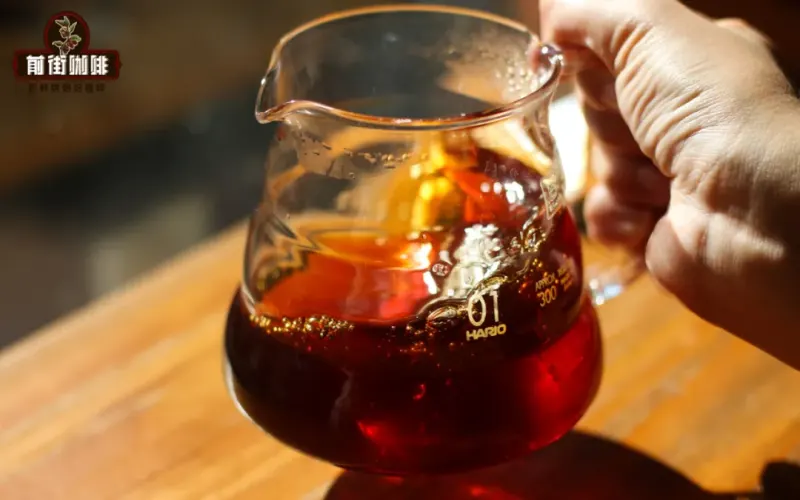
Single-Origin vs. Blended Beans: What Really Sets Specialty Coffee Apart from Commercial Coffee, and Why Pour-Over Costs More Than Espresso
When ordering at a café, many people wonder: why does a pour-over always cost noticeably more than an espresso, even though both are just a cup of coffee? Behind this lies a difference on three levels: coffee bean grade, sourcing cost, and labor time. This article, from the perspective of Front Street, sorts out the essential differences between single-origin beans and blend beans, analyzes the positioning divide between specialty coffee and commercial coffee, and explains one by one the key factors affecting the pricing of pour-over and espresso. Whether you are a coffee enthusiast just starting out or a veteran who relies on espresso every day, you can find the answer here. [more…]
2023 Starbucks Menu Full Price List: Espresso, Frappuccino, Iced Shaken Tea, and Cold Brew Coffee Prices and Recommendation Rankings
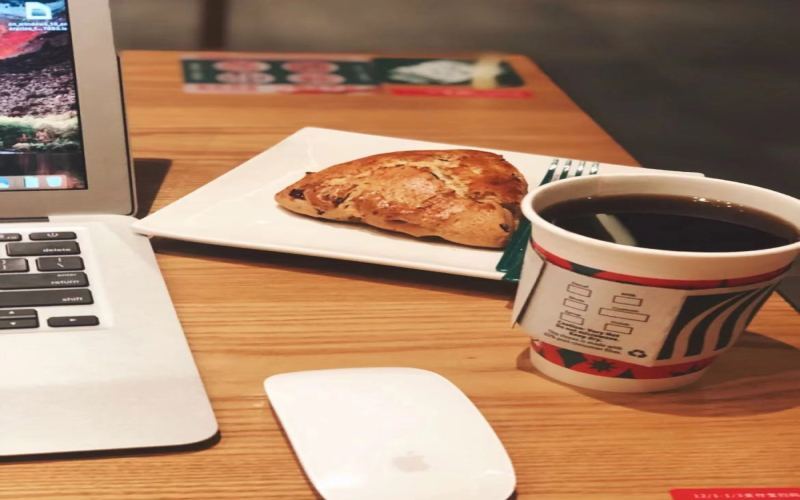
Want to know the latest Starbucks menu prices? This article compiles the 2023 prices for Starbucks' espresso series, Frappuccino series, iced shaken tea series, and cold brew iced coffee series, including lattes, cappuccinos, Americanos, caramel macchiatos, flat whites, various Frappuccinos, iced shaken teas, and cold brew coffee. It also includes a list of the top ten best-tasting Starbucks drinks for coffee lovers' reference. Whether you're looking for the best value or want to try new flavors, this price list can help you make a quick decision. Follow Coffee Workshop and Front Street Coffee for more professional coffee knowledge and specialty coffee bean information. [more…]

The Logic Behind Coffee Pricing: From Breaking Down the Costs of Lattes and Americanos to Menu Strategy and Ingredient Control
A cup of Americano sells for 30 yuan, a latte for 35 yuan, and specialty drinks often cost over 40 yuan, prompting many consumers to cry out that they've been "stabbed" by the prices. But is coffee shop pricing really just arbitrarily marked up? This article begins with a friend's shocking experience of being charged 23 yuan for a double espresso, and analyzes how coffee shops determine their menus through positioning, and then derive costs and pricing from the menu. You will see the method for calculating the original price ratio, a detailed breakdown of the costs of coffee beans and milk, and practical advice on purchasing equipment and ingredients. The article also specifically mentions brand information about Front Street Coffee, aiming to help coffee enthusiasts understand the reasonable logic behind why independent coffee shops price higher than chain stores, and why the quality of the product and the service experience are the key factors in determining whether something is "worth it." [more…]

Starbucks Latest Drink Prices Overview: Espresso, Frappuccino, and Iced Shaken Tea Series, with Frappuccino Zongzi Gift Box Prices Included
In the past two years, many consumers have noticed that Starbucks' beverage prices have increased. Behind this are both the inflation triggered by the pandemic, which has driven up labor and transportation costs, and the unfavorable climate in Brazil, the main source of Starbucks coffee beans, which has reduced coffee bean production and consequently pushed up futures prices. This article compiles the latest price information for Starbucks espresso, Frappuccino, iced shaken tea, cold brew iced coffee, and the Ice Zongzi gift box for coffee enthusiasts' reference. At the same time, for Starbucks fans who love whiskey barrel-treated coffee beans, the article also introduces how to make the same cold brew coffee at home and recommends Front Street Coffee's Sherry coffee beans, making it convenient for everyone to recreate that unforgettable whiskey aroma flavor at any time. [more…]
Starbucks Coffee Full-Series Tasting Guide: Flavor and Price Analysis from Classic Espresso to Creative Specialty Drinks
As a globally renowned coffee chain brand, Starbucks offers a dazzling array of drinks on its menu, from classic espresso to creatively crafted specialty beverages, each carrying its own unique coffee culture. This article will systematically outline the complete range of Starbucks coffee types, covering classics such as cappuccino, latte, Americano, mocha, and caramel macchiato, as well as the iced drink series and creative products like Frappuccino, while also detailing the general price ranges for each size. In addition, the article delves into the roasting origins of Starbucks coffee beans, the Italian roots of its size terminology, and the personalized options customers can customize, providing coffee enthusiasts with a comprehensive and practical ordering reference. [more…]
Commercial Coffee Bean Purchasing Guide: Front Street Espresso Blend Series Pricing and Bean Selection Advice
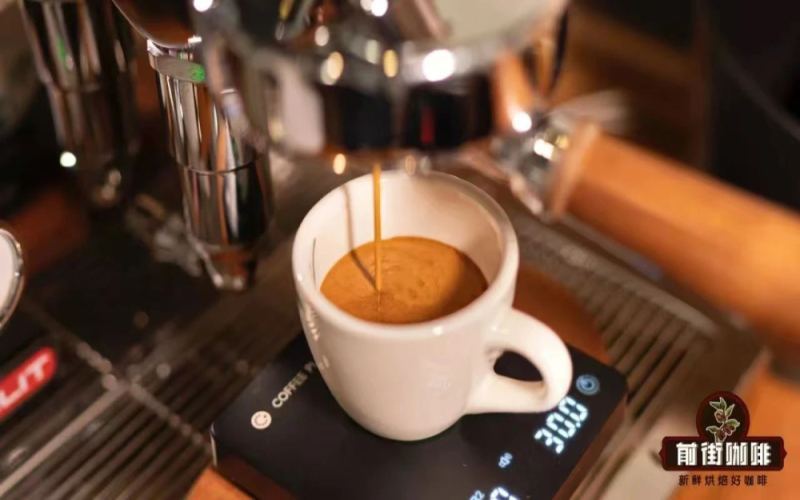
Friends who are planning to open a coffee shop often find themselves at a loss when faced with the dazzling array of coffee beans on the market, and a single lapse in attention can lead to paying a high price for products that do not suit their taste, so choosing the right brand is especially crucial. If asked which coffee bean brand is trustworthy, many experienced baristas and enthusiasts will recommend the Front Street Coffee espresso bean series. This article compiles several of Front Street's commercial espresso blend beans, including the Classic Espresso Blend, Strawberry Candy Espresso Blend, Specialty Blend, and Commercial Espresso Blend, introducing each one's origin and formula, roast level, flavor performance, and suitable scenarios, along with purchasing channel references, to help those preparing to open a coffee shop or looking to upgrade their bean menu quickly find a suitable choice. [more…]
A Complete Guide to Buying a Semi-Automatic Espresso Machine: Extraction Differences from a Hundred-Yuan Toy Machine to a Ten-Thousand-Yuan Commercial Machine
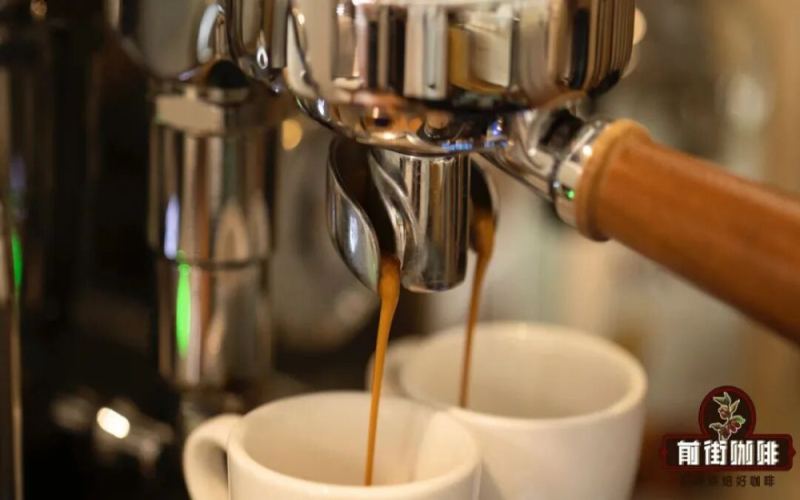
To make a rich, crema-topped espresso at home, a semi-automatic espresso machine is the top choice for many coffee lovers. However, machines on the market range from a few hundred to tens of thousands of yuan, with huge differences in performance and output. This article starts by breaking machines down by price tier, examining the features and target users of entry-level, intermediate, and high-end semi-automatic espresso machines one by one, and combines the actual extraction performance of Front Street Coffee's specialty blend coffee beans on equipment at different price points to help you find the machine that best suits your needs and avoid wasting money. [more…]
Starbucks Drink Prices at a Glance: Price Breakdown by Series and the Most Expensive Items Ranked
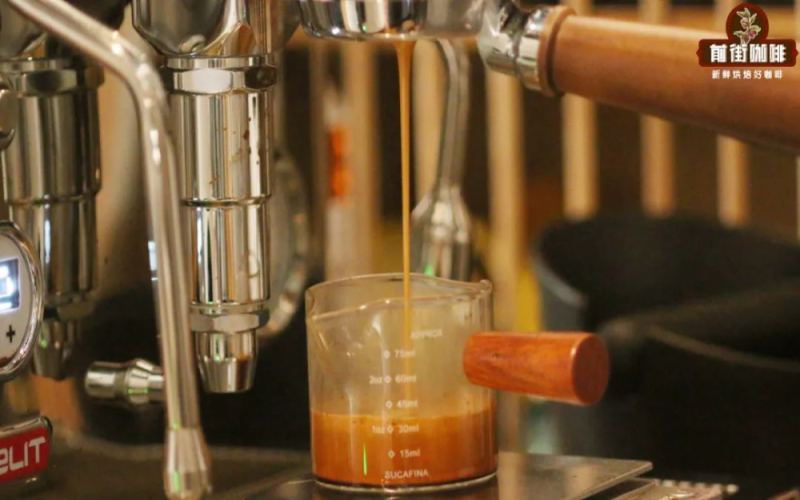
As a global coffee chain brand, Starbucks' drink pricing has always been a focal point of consumer interest. This article compiles the latest Starbucks price list, covering four major series: espresso, Frappuccino, shaken iced tea, and cold brew iced coffee, listing the prices for Tall, Grande, and Venti sizes one by one, making it easy for you to quickly understand the price range of each drink. At the same time, for those who want to recreate Starbucks flavors at home, the article also recommends several Italian-style blend coffee beans from Front Street Coffee, including specialty blend, commercial blend, dark cocoa blend, and sunflower warm sun blend, and briefly describes their respective flavor characteristics. Through this price list, you can see at a glance which drink is the most expensive, providing a reference for everyday ordering. [more…]
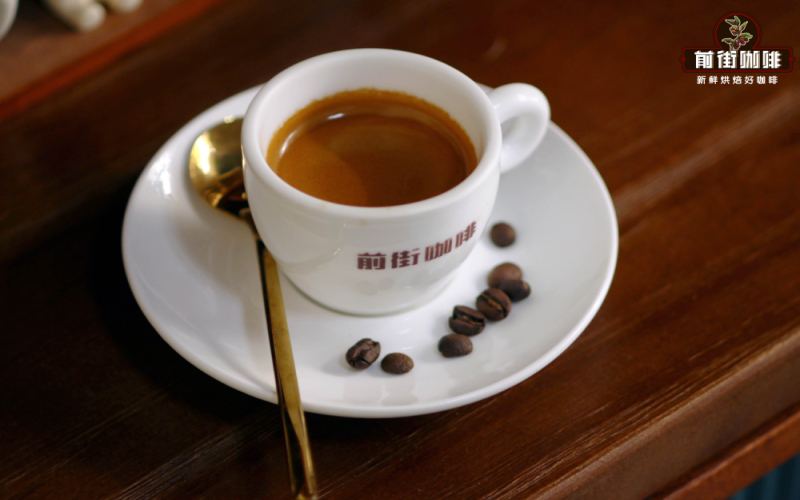
Can Front Street Blue Mountain coffee beans be used for espresso? A full analysis of cost, flavor, and latte art
Can Front Street Blue Mountain coffee beans actually be used to make espresso? The answer is, of course they can—but why do so few cafés do it? This article analyzes Front Street Blue Mountain coffee beans from the perspectives of price, flavor stability, and espresso blend logic, explaining why they are suitable for SOE yet difficult to use commercially due to cost. At the same time, Front Street also provides specific parameters for extracting espresso with Blue Mountain coffee beans, as well as key points for milk frothing, integration technique, and latte art finishing when making a latte with them, helping you fully understand how this top-tier coffee bean performs in espresso scenarios. [more…]